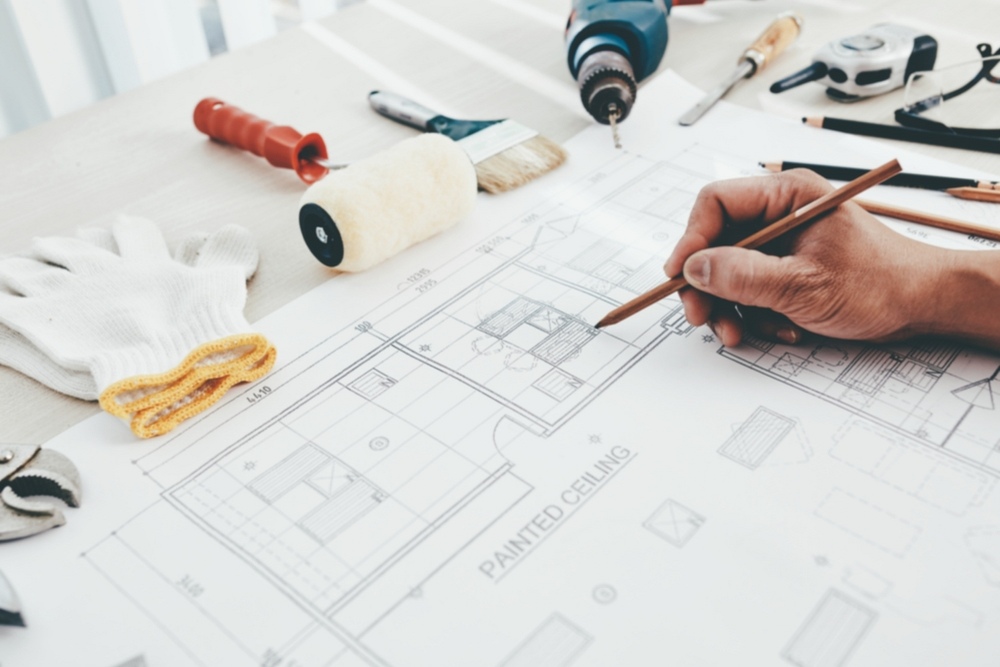
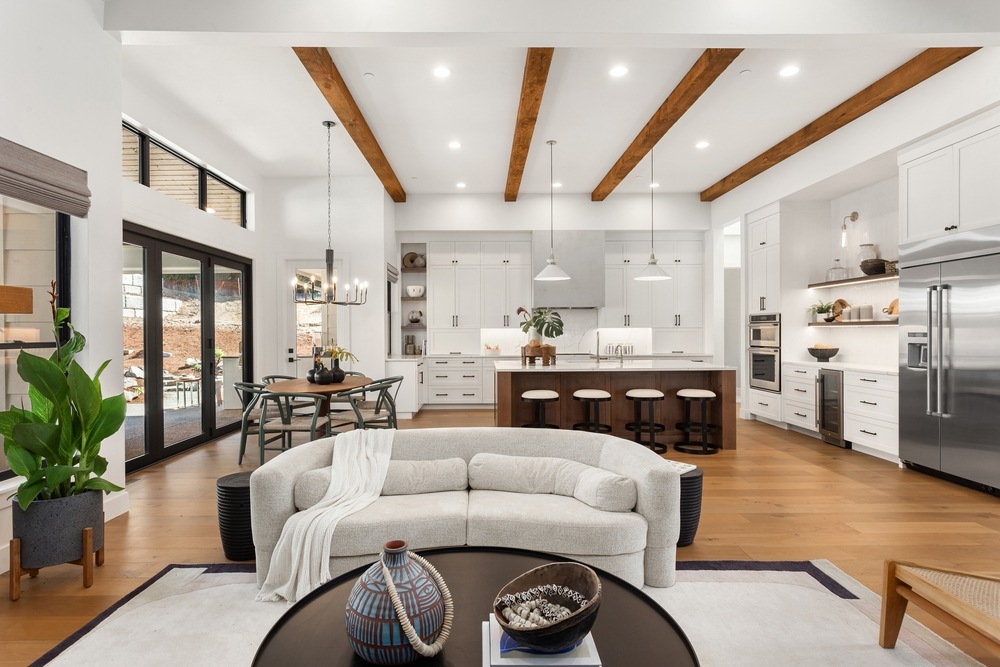
When you decide to open up your floor plan, you are doing more than removing a wall to create visual space. You are altering the structural framework that supports your home. Many interior walls carry loads from the roof, upper floors, or ceiling joists. Before you remove anything, you need to understand how weight is distributed and how that load will be transferred once a wall is gone. Without careful structural planning, a seemingly simple change can compromise stability and safety.
If you want a seamless open layout between your kitchen, dining area, and living room, you must first determine whether the wall you plan to remove is load-bearing. This evaluation typically includes reviewing structural drawings, examining framing direction, and assessing how beams and joists connect. Once identified, a structural solution, such as a properly sized beam or an engineered support system, must replace the removed wall. That beam may need to be concealed in the ceiling or designed as a visible architectural feature. Either way, thoughtful planning ensures your open-concept design feels effortless while maintaining your home’s integrity.
Why Removing Walls Is Only the Beginning
Opening up your space changes how rooms function, but it also impacts the mechanical systems hidden inside those walls. Plumbing lines, electrical wiring, ductwork, and even gas lines may run through the area you want to remove. When you eliminate a wall, those systems must be rerouted safely and efficiently. This coordination requires foresight and clear planning before demolition begins.
For example, if your kitchen sink is positioned against a wall you intend to remove, the plumbing must be relocated. Electrical circuits that previously fed outlets or switches along that wall will need new routing and, in some cases, panel upgrades. HVAC ducts may need to be redesigned to maintain proper airflow throughout the home. These adjustments affect your timeline and budget, so integrating them into your structural planning process keeps your remodel organized. When structural work and system upgrades are planned together, you avoid unexpected delays and last-minute changes that disrupt progress.
Maintaining Balance, Support, and Long-Term Performance
An open concept layout can dramatically improve how you use your home, but structural performance must remain a top priority. Properly sized beams, posts, and footings are essential for redistributing weight. In some cases, adding support below the floor in a crawlspace or basement may be required to handle the new load path. Ignoring these details can result in sagging ceilings, cracked drywall, or uneven floors over time.
You should also consider how changes in layout affect floor systems and subfloor connections. Removing a wall may alter how floor joists are supported. Reinforcing those connections ensures your flooring remains stable and secure. Additionally, ceiling framing may require adjustment to accommodate recessed beams or flush framing systems. Each of these structural components works together to create a cohesive and durable result. When you approach open concept remodeling with smart structural planning, you gain confidence that your newly expanded space will perform as beautifully as it looks for years to come.
Designing Open Spaces With Function in Mind
While structural integrity is essential, functionality must also guide your decisions. An open concept remodel should improve flow, sightlines, and daily use. However, without thoughtful design, a large open room can feel undefined or lack organization. Structural planning plays a role here as well. Beam placement, ceiling treatments, and column integration can subtly define zones within an open layout.
For instance, a structural beam can align with a kitchen island to visually separate cooking and living areas without enclosing them. Ceiling details such as coffered designs or subtle height transitions can add dimension while maintaining openness. If you plan to relocate plumbing for a new island sink or add upgraded lighting, those decisions must be integrated into both structural and mechanical planning. By aligning structure, plumbing, and electrical layouts from the beginning, you create a cohesive environment that supports your lifestyle rather than simply removing walls for aesthetic appeal.
Open-concept remodeling also affects acoustics and lighting. Larger spaces may require additional lighting circuits, layered fixtures, or improved insulation to control sound transfer. When these elements are coordinated with structural updates, your home feels comfortable and well-designed rather than echo-prone or unevenly lit. Smart planning ensures your open layout supports both style and practicality.
Building a Seamless Transformation With Coordinated Planning
A successful open concept remodel relies on collaboration and foresight. Structural engineering, plumbing relocation, electrical upgrades, and design elements must align from day one. When these aspects are planned in isolation, you risk conflicts, delays, and added expenses. When they are integrated into one comprehensive strategy, your project moves forward smoothly and efficiently.
As you consider transforming your home into a more open and connected space, remember that structural planning is not optional. It is the foundation of the entire remodel. Removing walls requires thoughtful evaluation, proper reinforcement, and precise coordination of all underlying systems. By prioritizing structural integrity alongside mechanical upgrades, you create a space that feels expansive while remaining strong and secure.
Ready to simplify your remodel with integrated plumbing and electrical upgrades? Contact Noma Design & Build at (858) 330-4175 or fill out our online form to get started on your seamless, efficient remodeling project today.