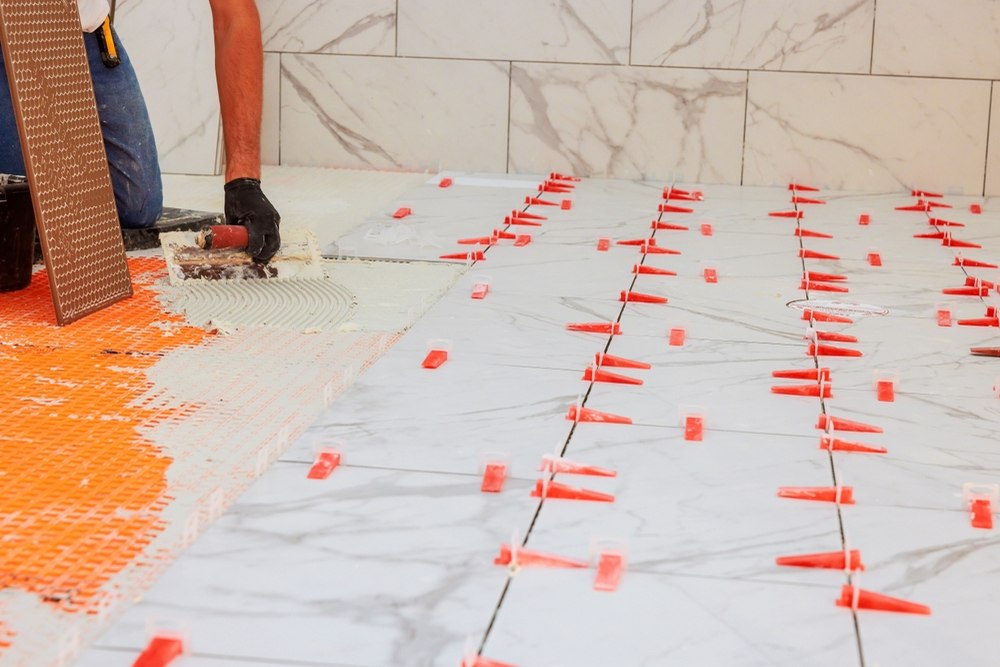
When you plan a bathroom remodel, you often focus on tile patterns, fixtures, vanities, and lighting. While those visible elements shape the final look, what sits behind the tile plays an even more important role in the long-term performance of your space. Tile and grout are not fully waterproof on their own. Water can pass through grout lines, small cracks, and seams, eventually reaching the materials underneath. Without a proper waterproofing system, moisture can seep into framing, drywall, and subfloors, causing hidden damage over time.
If you are updating an older bathroom, there is a strong chance that modern waterproofing standards were not used during the original installation. Building practices have evolved, and today’s methods include waterproof membranes, properly sloped shower pans, sealed seams, and reinforced corners. These upgrades help prevent leaks, mold growth, wood rot, and costly structural repairs. When you invest in a remodel, you are not just refreshing surfaces. You are creating a bathroom that should function reliably for many years. Including waterproofing behind tile ensures your new shower or tub surround performs as beautifully as it looks.
Signs Your Remodel Should Include a Full Waterproofing Upgrade
Certain situations make waterproofing upgrades essential rather than optional. If you notice cracked grout, loose tiles, musty odors, or staining on ceilings below the bathroom, moisture may already be penetrating the existing system. Even if you don’t see any obvious damage, older showers often lack a complete waterproof barrier. Simply replacing tile without addressing what lies beneath can leave underlying issues unresolved.
If your remodel involves removing the shower down to the studs, this is the ideal time to install a modern waterproofing system. You gain access to framing, plumbing, and substrate materials, making it far easier to correct past mistakes. In addition, if you are converting a tub to a walk-in shower, expanding the shower footprint, or relocating plumbing fixtures, you will need a properly engineered waterproof assembly to match the new layout. Larger-format tile, custom niches, benches, and linear drains also require careful sealing around penetrations and transitions. Whenever you alter the structure or design of a wet area, upgrading waterproofing behind the tile should be part of the plan.
How Proper Waterproofing Protects Your Investment
Water damage inside walls can remain hidden for years before becoming visible. By the time you see bubbling paint, soft drywall, or warped flooring, the underlying problem may already be extensive. Including waterproofing upgrades during your remodel helps prevent these issues from developing in the first place. A well-installed waterproof membrane creates a continuous barrier that directs water safely toward the drain instead of allowing it to soak into surrounding materials.
Properly sloped shower floors, sealed seams, and reinforced corners all work together to manage moisture effectively. This level of protection reduces the risk of mold growth and maintains the structural integrity of your bathroom. It also protects adjacent rooms from unexpected leaks. When you consider the cost of repairing subfloor damage or replacing framing, adding waterproofing during construction is a practical decision. You are already investing in new tile, fixtures, and finishes. Ensuring the space is built correctly behind the surface helps you avoid repeated repairs and extends the life of your remodel.
Coordinating Waterproofing With Plumbing and Electrical Updates
Waterproofing upgrades often go hand in hand with plumbing and electrical improvements. If you are moving a shower valve, upgrading to a rain shower system, or installing a freestanding tub, those changes require precise coordination before tile installation begins. Penetrations through walls for pipes and fixtures must be sealed properly to maintain the integrity of the waterproof barrier. Planning these elements together ensures that every component works as one cohesive system.
Electrical updates also influence waterproofing decisions. Adding recessed shower lighting, heated floors, or illuminated niches requires thoughtful placement and moisture protection. When plumbing, electrical, and waterproofing are designed simultaneously, you minimize the risk of conflicts or last-minute modifications. This integrated approach streamlines the construction process and helps inspections move smoothly. Instead of treating each trade as separate, you benefit from a coordinated plan that supports both performance and aesthetics. By aligning these upgrades early in the project, you maintain efficiency while strengthening the durability of your remodeled bathroom.
Building a Bathroom That Performs as Beautifully as It Looks
A bathroom remodel should enhance both style and function. While tile color and fixture finishes create visual impact, the hidden systems determine how well your bathroom performs over time. Including waterproofing upgrades behind tile is especially important when you are remodeling older homes, expanding wet areas, or correcting past installation issues. Even if no visible damage exists, updating the underlying waterproofing system provides peace of mind and long-term reliability.
When you approach your remodel thoughtfully, you avoid shortcuts that can lead to future problems. You gain confidence knowing your shower walls, floor assemblies, and transitions are properly sealed and engineered to handle daily use. Waterproofing is not an optional extra when you are already opening walls and rebuilding surfaces. It is a critical component of a complete renovation strategy that supports durability, cleanliness, and structural stability.
Ready to simplify your remodel with integrated plumbing and electrical upgrades? Contact Noma Design & Build at (858) 330-4175 or fill out our online form to get started on your seamless, efficient remodeling project today.