When you choose kitchen cabinets, you are shaping how your kitchen functions every single day. Before focusing on finishes or door styles, you should evaluate how you use your space. Think about what you store, how often you cook, and which items feel difficult to access. Do you struggle with deep base cabinets that hide cookware in the back? Are pantry items overflowing onto countertops? Your storage frustrations reveal exactly what your new cabinets must solve.
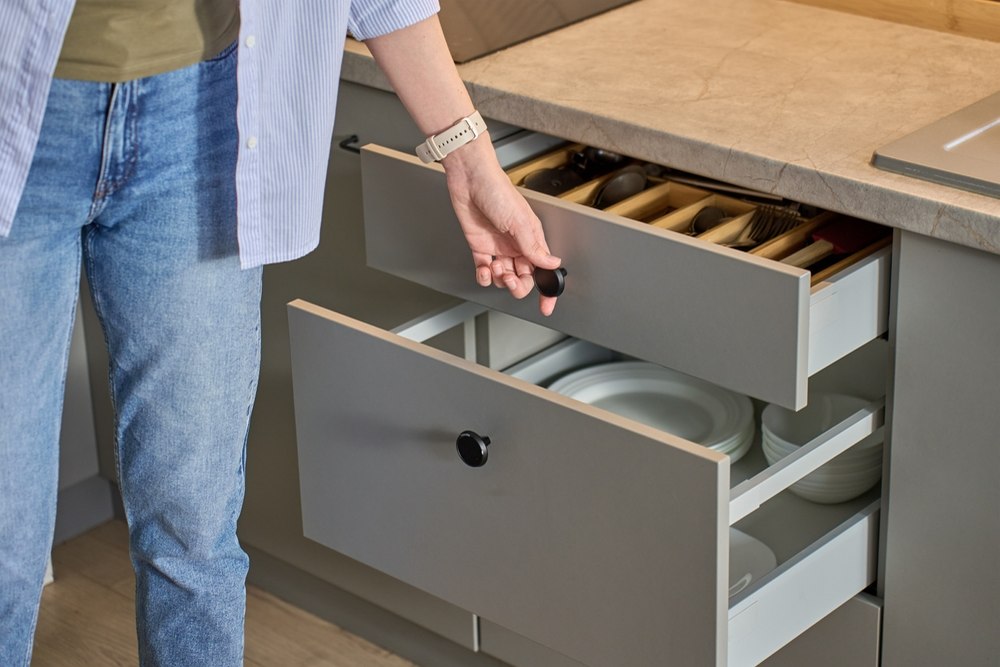
You benefit most when your cabinet layout reflects your lifestyle. If you cook frequently, consider deeper drawers for pots and pans rather than traditional lower cabinets with shelves. Drawers provide full visibility and easier access, reducing bending and searching. If you rely on small appliances, dedicate specific storage zones with built-in outlets or lift-up shelves. Vertical dividers for baking sheets, pull-out spice racks near the cooktop, and drawer organizers for utensils all improve efficiency. By planning storage around real habits rather than appearance alone, you create a kitchen that supports you rather than slowing you down. Thoughtful storage design makes daily tasks feel smoother while keeping surfaces uncluttered and organized.
Choose Cabinet Materials That Withstand Years of Use
Durability begins with material selection. Not all cabinets are built the same, and understanding construction differences helps you make a long-term investment. Solid wood cabinet boxes and plywood construction typically provide greater strength compared to particleboard or lower-grade materials. Plywood resists warping and handles moisture better, which is especially important in kitchens where humidity and spills are common.
You should also pay attention to door construction. Solid wood or high-quality engineered wood doors maintain structural integrity over time. Soft-close hinges and drawer glides are another critical feature. These mechanisms prevent slamming, reduce wear, and improve longevity. Full-extension drawer slides allow complete access while supporting heavier loads without bending. When you prioritize quality hardware and construction, your cabinets continue to function smoothly long after installation.
Finish quality matters as well. Painted finishes require proper preparation and sealing to resist chipping, while stained wood needs protective coatings to withstand grease and moisture. If you prefer a sleek, modern look, durable laminates or thermofoil options can offer moisture resistance when manufactured properly. By selecting materials and finishes designed for daily wear, you reduce the likelihood of early repairs or replacements. Durable cabinetry ensures that your remodel remains strong and visually appealing for many years.
Balance Style With Long-Term Performance
Cabinet style influences the overall look of your kitchen, but performance should remain a priority. While trending designs may catch your attention, consider whether they will still suit your taste in ten or fifteen years. Shaker-style cabinets remain popular because they blend easily with both modern and traditional spaces. Flat-panel designs create a clean aesthetic and are easier to wipe down due to their minimal detailing. Ornate profiles may look elegant, but can require additional cleaning around grooves and edges.
Color selection also impacts longevity. Neutral tones such as white, warm gray, or natural wood finishes tend to adapt well to evolving décor. If you choose a bold color, you may consider incorporating it into an island or accent area rather than throughout the entire kitchen. This approach allows you to update your look later without replacing all cabinetry.
You should also evaluate how cabinet height and layout influence long-term functionality. Extending cabinets to the ceiling increases storage while preventing dust accumulation on top surfaces. Integrated lighting under upper cabinets enhances visibility and highlights countertops. When style decisions are supported by practical features, your kitchen feels cohesive and timeless rather than trendy and temporary.
Optimize Interior Organization for Maximum Efficiency
The interior of your cabinets determines how effectively you use the available space. Custom inserts, pull-out trays, and built-in organizers transform standard cabinets into highly functional storage systems. Instead of stacking items and losing track of what you own, you create dedicated zones for cookware, dry goods, and cleaning supplies.
Pull-out pantry systems let you see all items at once, preventing expired goods from hiding in the back. Lazy Susans or corner pull-out mechanisms maximize otherwise awkward spaces. Deep drawers with adjustable dividers provide flexible storage as your needs change over time. Trash and recycling pull-outs keep waste concealed while remaining easily accessible. These details may seem small, but they significantly improve daily workflow.
You should also consider future changes in your household. If your family grows or your cooking habits evolve, flexible interior storage accommodates these changes. Adjustable shelving and modular inserts allow you to adapt without replacing entire cabinets. By focusing on interior organization as much as exterior design, you create a kitchen that continues to serve you efficiently year after year.
Plan Cabinets Alongside Plumbing and Electrical Upgrades
Cabinet selection does not happen in isolation. Plumbing and electrical systems directly influence cabinet layout and durability. If you plan to relocate a sink, add a pot filler, or install a new appliance configuration, the cabinet design must align with those upgrades. Coordinating these elements early prevents costly modifications later.
For example, adding under-cabinet lighting requires proper wiring before cabinets are installed. Installing pull-out shelves with built-in outlets for small appliances involves electrical planning during framing. Plumbing adjustments beneath sinks affect base cabinet dimensions and storage solutions. By integrating these systems into your cabinet planning process, you avoid cutting into finished cabinetry after installation.
Careful coordination also protects the longevity of your cabinets. Proper sealing around plumbing penetrations reduces moisture exposure. Adequate ventilation around appliances prevents heat buildup that can damage surrounding materials. When cabinets, plumbing, and electrical systems are designed together, your kitchen operates as one cohesive unit rather than disconnected components. This strategic planning enhances both durability and performance while keeping your remodel on schedule.
Ready to simplify your remodel with integrated plumbing and electrical upgrades? Contact Noma Design & Build at (858) 330-4175 or fill out our online form to get started on your seamless, efficient remodeling project today.